Psalm 22 Is Not About You. “Eli, Eli, Lama Sabachthani” in English… by Unapologetically
34 And at the ninth hour Jesus v cried with a loud voice, w " Eloi, Eloi, lema sabachthani? " which means, " My God, my God, why have you forsaken me? Read Full Chapter. To the choirmaster: according to The Doe of the Dawn. A Psalm of David.
“Eli, Eli, Lama Sabachthani?”

If Jesus had really meant that God had abandoned Him or forgot Him He would have used the word taatani (forsake) or nashatani (forget). Something even more curious is that the passage suggests that Jesus is quoting Psalms 22:1 yet in Hebrew that phrase is eli, eli lama 'azabethni not sabachthani.
Eli, Eli, Lama Sabachthani
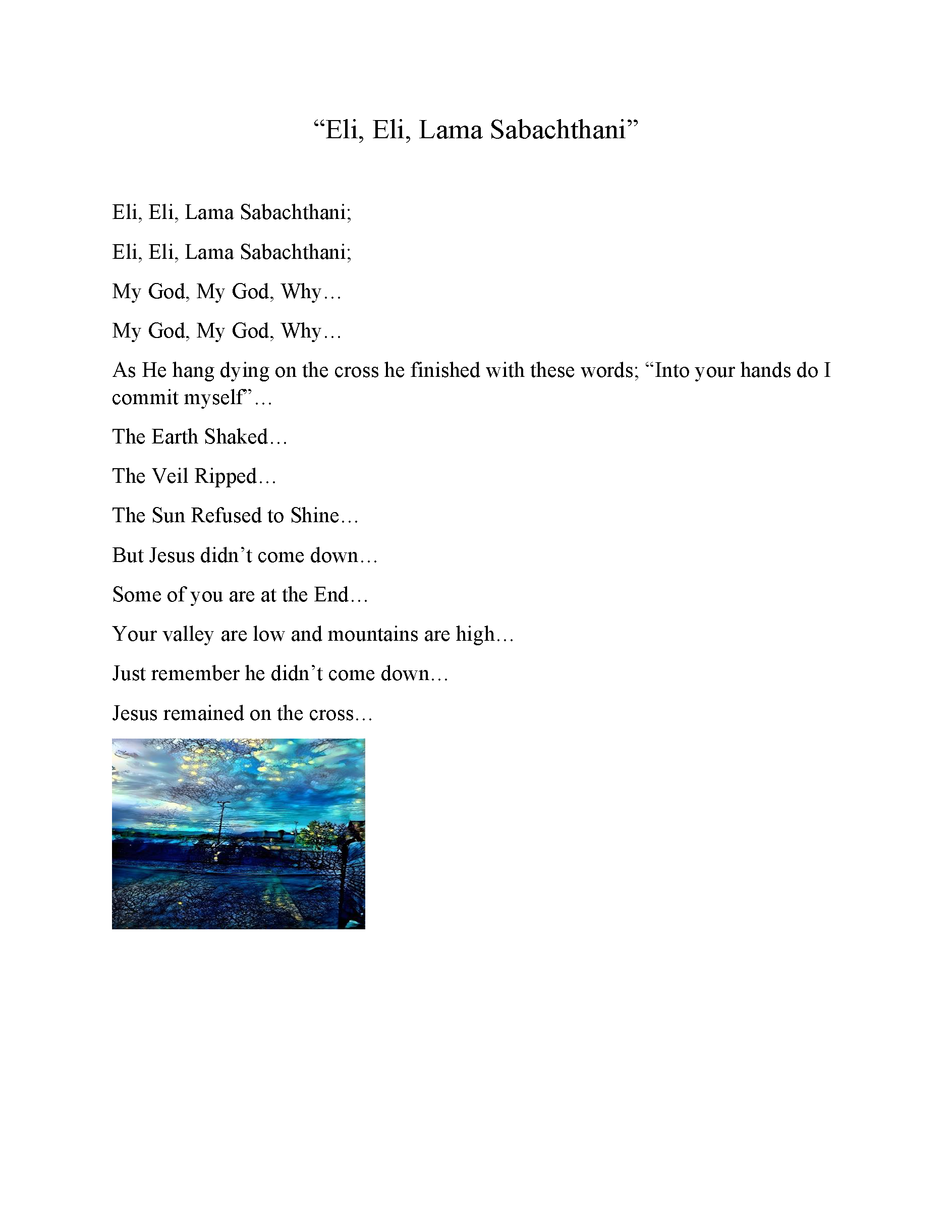
In Psalms, they are the opening words of Psalm 22 - in the original Hebrew: אֵלִ֣י אֵ֖לִי לָמָ֣ה עֲזַבְתָּ֑נִי "Eli, Eli, lama azavtani ", meaning " My God, my God, why hast Thou forsaken me? ". In the New Testament, the phrase is the only of the seven Sayings of Jesus on the cross that appears in more than one.
Pin on Words of wisdom

This prayer based on Psalm 22 is a prayer for when we feel like God is nowhere to be found. Psalm 22 is the psalm Jesus prayed from the cross when he quoted "Eli, Eli, lama sabachthani? My God, my God, why hast thou forsaken me?" Where Is God? Prayer. Based on Psalm 22. You have deserted me God. I am overcome with fear and you are gone.
Eli Eli Lama Sabachthani YouTube

Psalm 22. "My God, my God, why have you forsaken me?" Those terrifying words occur in two Gospels — Matthew 27:46 and Mark 15:34 — as Jesus is hanging on the cross near death. "Jesus seems to have known that the whole of Psalm 22, in some way or other, was about him." It says, "About the ninth hour Jesus cried out with a loud voice," — Amazing.
Coral Kemuel Eli Eli Lamá Sabactâni e Vitória (CANTADO) LETRA YouTube

Verse Context in Psalm 22. When Jesus cries out this phrase, it is a reference to Psalm 22. This Psalm is held to be a messianic psalm and one where the author (King David) appears to be sharing in some vision of what will happen to the Lord's Messiah.
Eli Eli Lama Sabachthani? (2017)

Might there not be in this prayer the knowledge that he had been forsaken? The words that Jesus addresses to the Father are the beginning of Psalm 22 [21], in which the Psalmist expresses to.
Psalm 22 Is Not About You. “Eli, Eli, Lama Sabachthani” in English… by Unapologetically
With some perversions of form probably from Psalm 22:1 ('eli 'eli lamah `azabhtani). A statement uttered by Jesus on the cross just before his death, translated, "My God, my God, why hast thou forsaken me?"
Just before He died on the cross, Jesus cried "Eli, Eli, lama sabachthani," which means
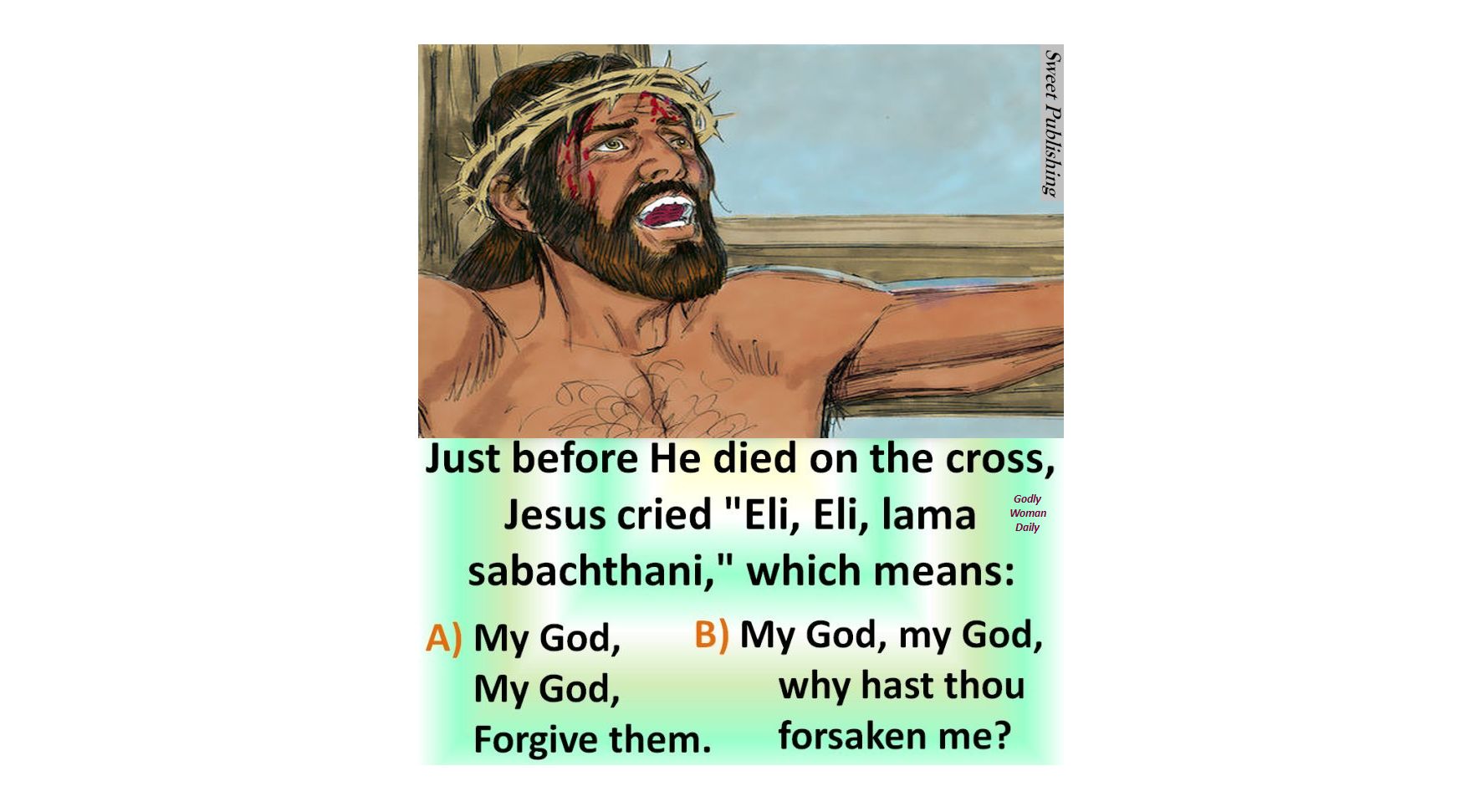
While He was on the cross, He cried out, "Eloi Eloi Lama Sabachthani," which means "My God, my God, why have you forsaken me?" ( Matthew 27:46 ). Jesus said, "Eloi Eloi Lama Sabachthani" on the cross in fulfillment of Psalm 22 .
Eli Eli Lama Sabachthani YouTube

Psalm 22:1 My God, my God, why have You forsaken me? Why are You so far from saving me, so far from my words of groaning? Bible > Psalms > Chapter 22 > Verse 1. eBibles • Free Downloads • Audio. Psalm 22:1 . Audio Crossref Comm Hebrew. Verse (Click for Chapter) New International Version. For the director of music.
"Eli, Eli, Lama Sabachthani ?" Matthew 2746 Daily Manna YouTube

1. Christ suffered on the cross for our salvation (22:1‑21). The first section consists of three cycles of complaint and confidence: First Cycle: 22:1‑2 = Complaint (to God) 22:3‑5 = Confidence (in God) Second Cycle: 22:6‑8 = Complaint. 22:9‑11 = Confidence and Petition [v. 11] Third Cycle: 22:12‑18 = Complaint.
9 Bible verses about God Abandoning Individuals
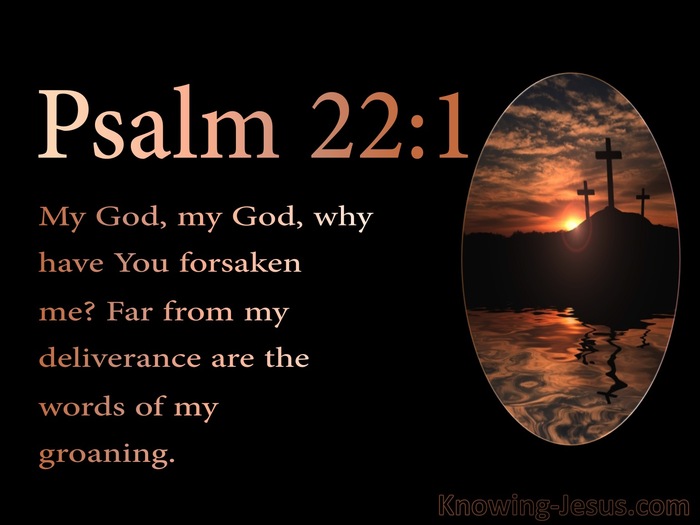
Psalm 22:1 This psalm may have been prayed by Jesus when He was on the cross. It begins with, "My God, my God, why have You forsaken me?" and ends with a thought of finality. The psalm is quoted in Matt 27:46; Mark 15:34; and alluded to in Matt 27:35, 39, 43 and John 19:23, 24, 28 as being fulfilled at Christ's crucifixion.
“Eli, Eli, lema sabachthani?” (Matthew 2746, ESV) It means “My God, my God, why have you

Christians have argued that this quotation turns out, is quoted from Psalm 22:2, which in Hebrew Bible it reads: Eli Eli lamma azabtani אֵלִ֣י אֵ֭לִי לָמָ֣ה עֲזַבְתָּ֑נִי. Tehillim - Psalms - Chapter 22. Fine, now wait a minute, that " Eli Eli lama sabachthani " is it an Aramaic or Hebrew expression? which language Jesus uses here?
Psalm 22 Is Not About You. “Eli, Eli, Lama Sabachthani” in English… by Unapologetically
Original Composition based on the 22nd Psalm of David: My God, my God, why have you forsaken me? Why are you so far from saving me, from the words of my groaning?
Eli Eli Lama Sabachthani? YouTube
Repeating from the Cross the first words of Psalm 22[21] "Eli, Eli, lama sabachthani? " — "My God my God, why have you forsaken me?" (Mt 27:46); uttering the words of the Psalm, Jesus prays at the moment of his ultimate rejection by men, at the moment of abandonment; yet he prays, with the Psalm, in the awareness of God's presence.
O AGUILHÃO DE DEUS Eli Eli Eli Lama Sabachthani? “Eli, Eli” ou “Eloí, Eloí”?

With some perversions of form probably from Psalm 22:1 ('eli 'eli lamah `azabhtani). A statement uttered by Jesus on the cross just before his death, translated, "My God, my God, why hast thou forsaken me?"
.

